What Are the Most Nutritious Microgreens? A Complete Ranking
Not all microgreens are created equal nutritionally. Here's a science-based ranking of the most nutritious varieties you can grow at home.
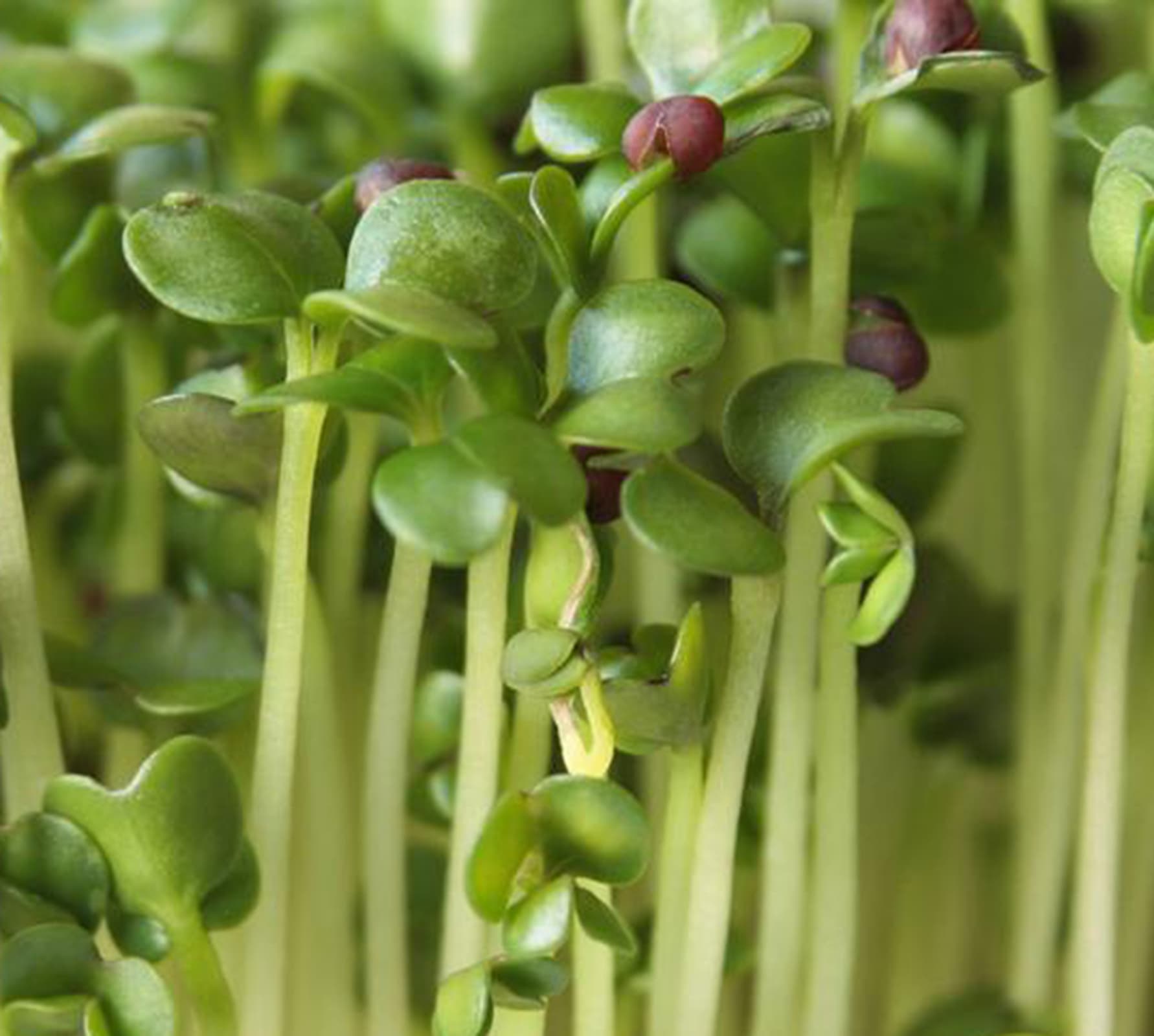
All microgreens are nutritious, but some varieties stand head and shoulders above the rest. If you're growing microgreens specifically for their health benefits, here's which ones to prioritise — ranked by overall nutritional density based on available research.
The Top 8 Most Nutritious Microgreens
1. Broccoli Microgreens — The Sulforaphane King
Star nutrient: Sulforaphane (up to 100x more than mature broccoli)
Broccoli microgreens are in a class of their own thanks to sulforaphane, a compound with extensive research backing its anti-inflammatory and antioxidant properties. They're also high in vitamins C and K. If you grow only one microgreen for health, make it broccoli.
Key nutrients per 100g: 89mg Vitamin C | 102µg Vitamin K | 31µg Vitamin A | 2.8g Protein
2. Red Cabbage Microgreens — Antioxidant Powerhouse
Star nutrient: Anthocyanins and vitamin C
Red cabbage microgreens were found in the 2012 University of Maryland study to have the highest concentration of vitamin C among all 25 varieties tested. Their deep purple colour indicates extremely high levels of anthocyanins — powerful antioxidants.
Key nutrients per 100g: 69mg Vitamin C | 92µg Vitamin K | High anthocyanins
3. Kale Microgreens — The All-Rounder
Star nutrient: Vitamin K (390µg per 100g — over 300% daily value)
Kale microgreens are nutritional all-rounders, excelling across nearly every nutrient category. They're particularly high in vitamin K (essential for bone health), vitamin A, calcium, and iron. Unlike mature kale, the microgreen version is tender and mild-tasting.
Key nutrients per 100g: 93mg Vitamin C | 390µg Vitamin K | 241µg Vitamin A | 254mg Calcium | 1.6mg Iron
4. Pea Shoot Microgreens — Protein Champion
Star nutrient: Protein and folate
Pea shoots are among the highest-protein microgreens, making them excellent for vegetarians and vegans. They're also rich in folate (important during pregnancy), vitamin A, and vitamin C. Their sweet flavour makes them the most versatile in the kitchen.
Key nutrients per 100g: 40mg Vitamin C | 3.3g Protein | 2.6g Fibre | 1.5mg Iron
5. Sunflower Microgreens — Complete Nutrition
Star nutrient: Complete amino acid profile
Sunflower microgreens offer one of the most complete nutritional profiles of any microgreen. They contain all essential amino acids, healthy fats, and are high in zinc and selenium. They're also substantial enough to be a meal component, not just a garnish.
Key nutrients per 100g: 3.2g Protein | Zinc | Selenium | Vitamin E | Healthy fats
6. Radish Microgreens — Detox Support
Star nutrient: Glucosinolates
Like broccoli, radish microgreens contain glucosinolates — sulphur compounds that support the liver's detoxification processes. They're also high in vitamins A, C, and E. The intense peppery flavour is an indicator of their high glucosinolate content.
Key nutrients per 100g: 29mg Vitamin C | Vitamins A, B, E, K | 0.8mg Iron
7. Ruby Chard Microgreens — Vitamin K Champion
Star nutrient: Vitamin K (830µg per 100g — highest of all common microgreens)
Ruby chard microgreens have stunningly beautiful red/pink stems and contain extremely high levels of vitamin K. They're also rich in vitamins A and C, iron, and magnesium.
Key nutrients per 100g: 830µg Vitamin K | 306µg Vitamin A | 30mg Vitamin C | 1.8mg Iron
8. Beetroot Microgreens — Iron and Folate
Star nutrient: Betalains (unique antioxidants)
Beetroot microgreens contain betalains — pigments unique to beets that have potent antioxidant and anti-inflammatory properties. They're also good sources of iron, folate, and manganese. Their earthy flavour and deep red colour make them visually stunning.
Key nutrients per 100g: Betalains | Folate | Iron | Manganese
How to Maximise Nutritional Benefits
- Eat them raw: Heat destroys some nutrients, especially sulforaphane and vitamin C
- Eat them fresh: Nutrition declines after harvest — growing your own gives you the freshest possible greens
- Eat a variety: Different microgreens excel in different nutrients. Rotating varieties ensures broad nutritional coverage
- Eat them regularly: A small daily handful beats an occasional large serving
The Bottom Line
If you're optimising for nutrition, grow broccoli, kale, and red cabbage microgreens. If you want the best balance of nutrition and kitchen versatility, add pea shoots and sunflower to the rotation. And if you just want one variety? Broccoli — the sulforaphane alone makes it worth it.
Browse our full range of microgreen seeds and start growing the most nutritious food on the planet.