Microgreens vs Sprouts: What's the Difference?
Microgreens and sprouts are often confused, but they're quite different. Here's a clear explanation of what sets them apart — and why it matters.
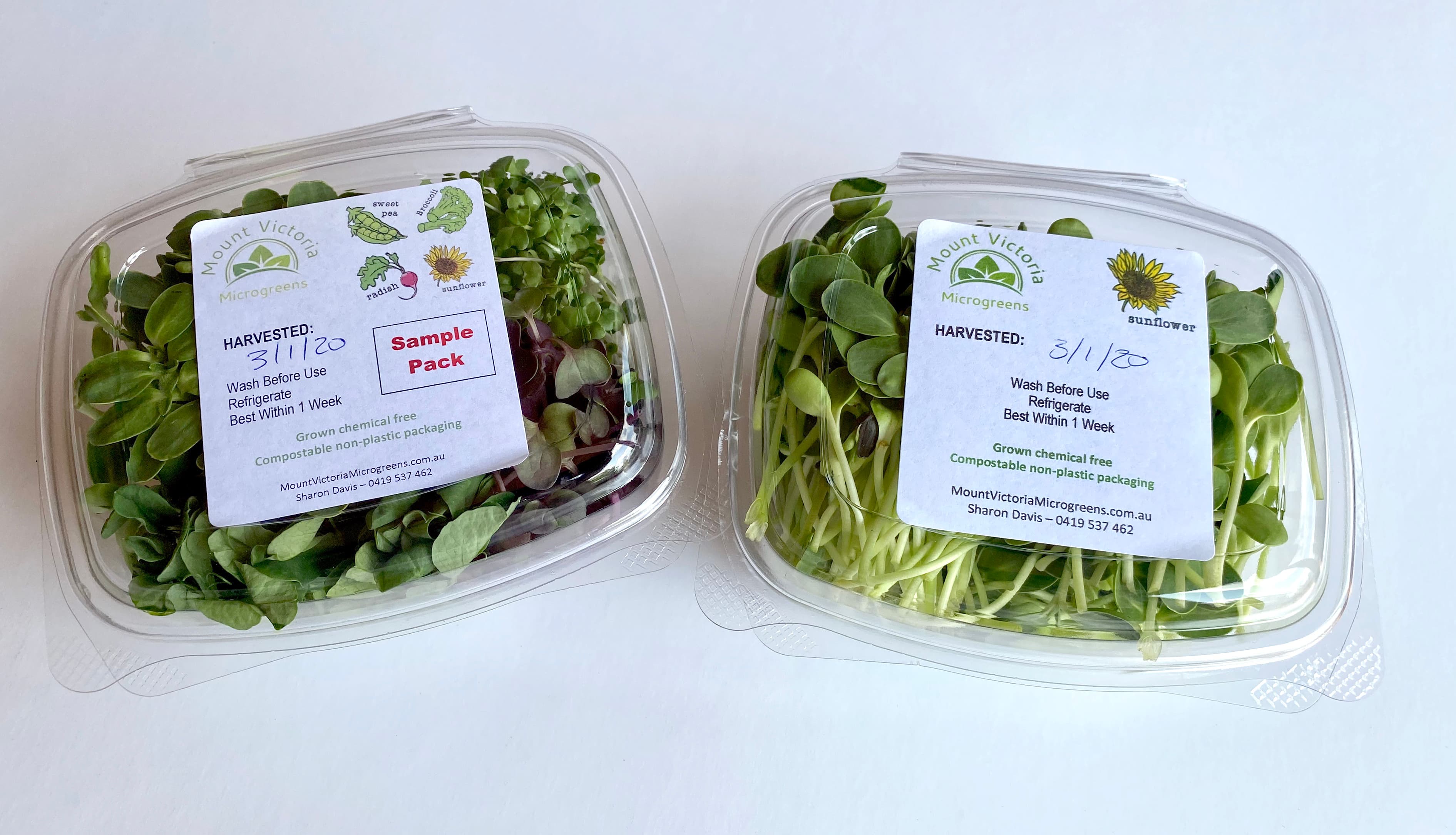
"Aren't microgreens just sprouts?" It's one of the most common questions we get, and the answer is a definite no. While they're both young plants, microgreens and sprouts are grown differently, eaten differently, and have different nutritional profiles. Let's break it down.
Quick Comparison
| Microgreens | Sprouts | |
|---|---|---|
| Growth stage | First true leaves (7–14 days) | Just germinated (2–5 days) |
| Growing medium | Soil, coir, or growing mat | Water only (jar or tray) |
| Light | Needs light after blackout | Grown entirely in the dark |
| What you eat | Stem and leaves (cut above soil) | Entire sprout including root |
| Flavour | Intense, varied by variety | Mild, watery |
| Texture | Crunchy, leafy | Crunchy, watery |
| Nutrition | Very high — concentrated vitamins | Moderate |
| Food safety | Low risk (grown in medium, not water) | Higher risk (warm, wet conditions favour bacteria) |
What Are Sprouts?
Sprouts are seeds that have just germinated — usually harvested after 2–5 days. They're grown entirely in water, typically in a jar or sprouting tray, and eaten whole (seed, root, and tiny stem). Common sprouts include alfalfa, mung bean, and lentil sprouts.
Sprouts are nutritious, but their warm, wet growing environment can harbour bacteria like Salmonella and E. coli if not handled carefully. This is why health authorities sometimes issue warnings about raw sprouts, particularly for pregnant women, elderly people, and those with compromised immune systems.
What Are Microgreens?
Microgreens are a step beyond sprouts. They're grown in a solid medium (soil, coconut coir, or a growing mat), exposed to light, and harvested after 7–14 days when the first true leaves develop. You eat the stem and leaves, cutting above the growing medium — the root stays behind.
Because they're grown in a medium with good airflow and light, the food safety risks are significantly lower than sprouts. They also have a much wider range of flavours and textures.
Nutritional Differences
A landmark 2012 study from the University of Maryland found that microgreens contained 4 to 40 times more nutrients than their mature plant counterparts. Compared to sprouts, microgreens generally have:
- Higher vitamin C: Developed leaves produce more vitamin C through photosynthesis
- Higher vitamin K: Green leaves are rich in vitamin K, which sprouts lack
- More antioxidants: Light exposure triggers antioxidant production
- Better flavour: More time to develop complex flavour compounds
Which Should You Grow?
It depends on what you're after:
- Choose sprouts if: You want the fastest possible harvest (2–5 days) and don't mind the mild flavour
- Choose microgreens if: You want intense flavour, vibrant colours, higher nutrition, and more variety
Most home growers who try both end up preferring microgreens because the extra few days of growing time is well worth the dramatic improvement in flavour and nutrition.
Can You Grow Both?
Absolutely! Many growers keep a jar of alfalfa sprouts going alongside their microgreen trays. But if you're choosing one to start with, we'd recommend microgreens — they're more versatile in the kitchen and genuinely more nutritious.
Start growing microgreens today with our complete growing kits and premium seeds.