Growing Microgreens in Winter: An Australian Guide
Can you grow microgreens in winter? Absolutely! Here's how to keep growing through the cooler months in Australia with a few simple adjustments.
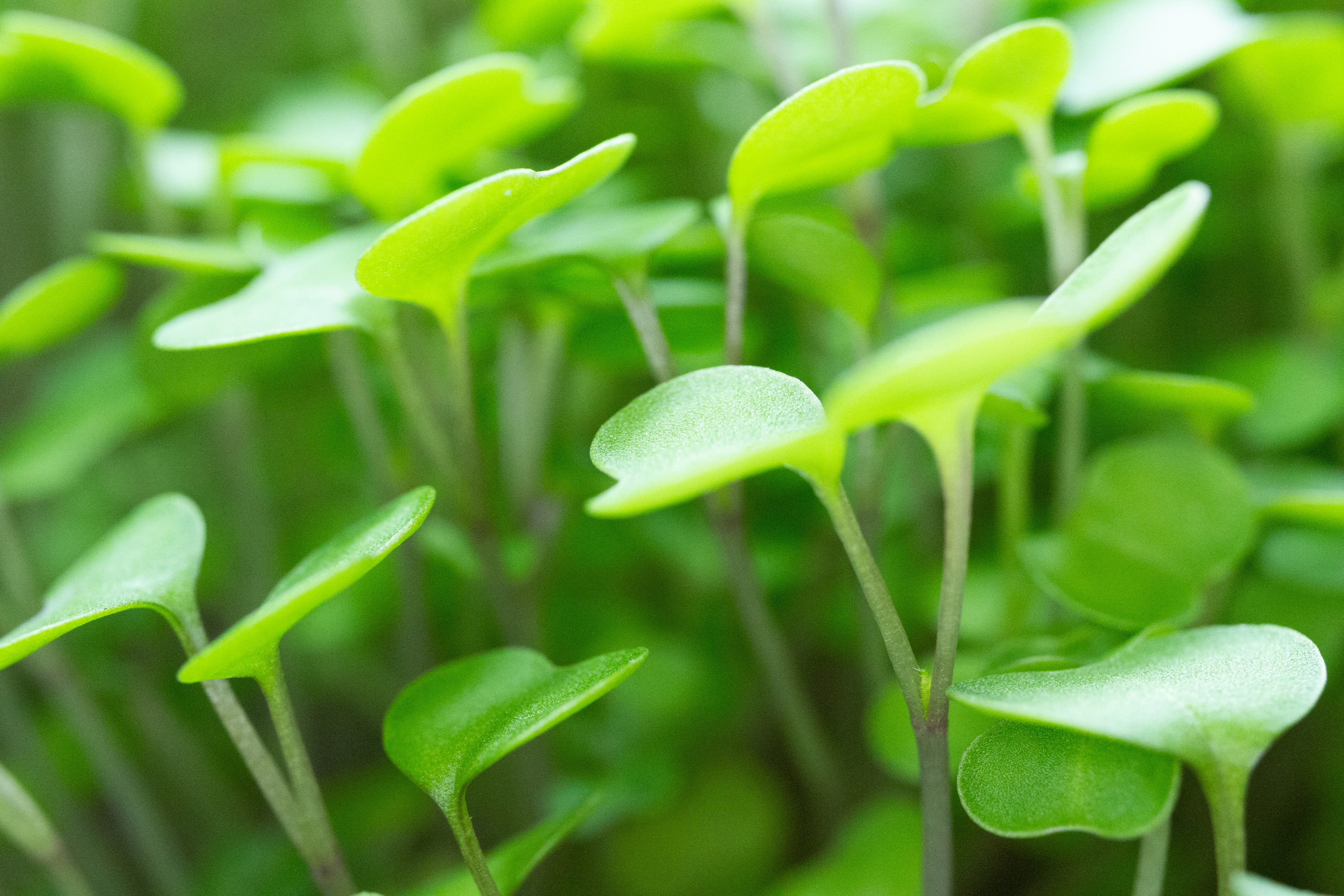
One of the best things about microgreens is that you can grow them year-round — including through the Australian winter. Because they're grown indoors, you're not at the mercy of frost, cold soil, or short days like outdoor gardeners. That said, winter does present a few unique challenges. Here's how to keep your trays thriving from June through August.
Why Microgreens Are Perfect for Winter
While your outdoor garden may be dormant, microgreens don't care about the weather outside:
- They grow indoors at room temperature
- They only need 7–14 days from seed to harvest
- They provide fresh, nutrient-dense greens when shop-bought salads are at their most expensive
- They don't need garden space — just a kitchen bench
Winter Growing Adjustments
1. Temperature
Microgreens grow best at 18–24°C. In winter, your home may drop below this, especially overnight. If your house gets cold:
- Keep trays in the warmest room — often the kitchen or a living area with heating
- Avoid placing trays near cold windows or drafty spots
- A heat mat designed for seed starting can help maintain soil temperature if your home drops below 15°C
Growth will simply be slower in cooler conditions — expect an extra 2–3 days before harvest. This isn't a problem, just be patient.
2. Light
Winter means shorter days and weaker sunlight. This is the biggest challenge for winter microgreens in Australia:
- Position trays at your brightest window — in Australia, this is typically north-facing
- Consider an LED grow light — a basic one from Bunnings or online is inexpensive and makes a huge difference. Run it for 12–16 hours per day
- Rotate trays daily to prevent leaning towards the light
3. Watering
In winter, evaporation is slower, so you'll need to water less frequently. Over-watering in winter is the leading cause of mould. Check your trays before misting — if the surface is still damp, skip the water.
4. Airflow
Closed-up winter homes can have poor airflow, which encourages mould. Crack a nearby window for a few minutes each day, or run a small fan on low near your trays.
Best Varieties for Winter
Some microgreens handle cooler conditions better than others:
- Pea shoots: Very hardy, handle cool temps well
- Radish: Fast growers that don't mind cold — harvest in 7–10 days even in winter
- Broccoli: Brassicas naturally prefer cooler weather
- Kale: Another cold-tolerant brassica, grows beautifully in winter
Varieties that struggle more in winter include basil (needs warmth) and some tropical varieties.
Winter Microgreens = Fresh Nutrients When You Need Them Most
Winter is when most Australians eat fewer fresh greens. Growing microgreens gives you a constant supply of nutrient-dense food right on your kitchen bench — no driving to the shops, no wilted lettuce, no plastic packaging.
Stock up on seeds before winter hits. Check out our microgreen seeds and growing kits — everything ships Australia-wide.