7 Common Microgreen Growing Mistakes (And How to Fix Them)
Microgreens not growing right? Mould, leggy stems, or poor germination? Here are the 7 most common mistakes and how to fix them.
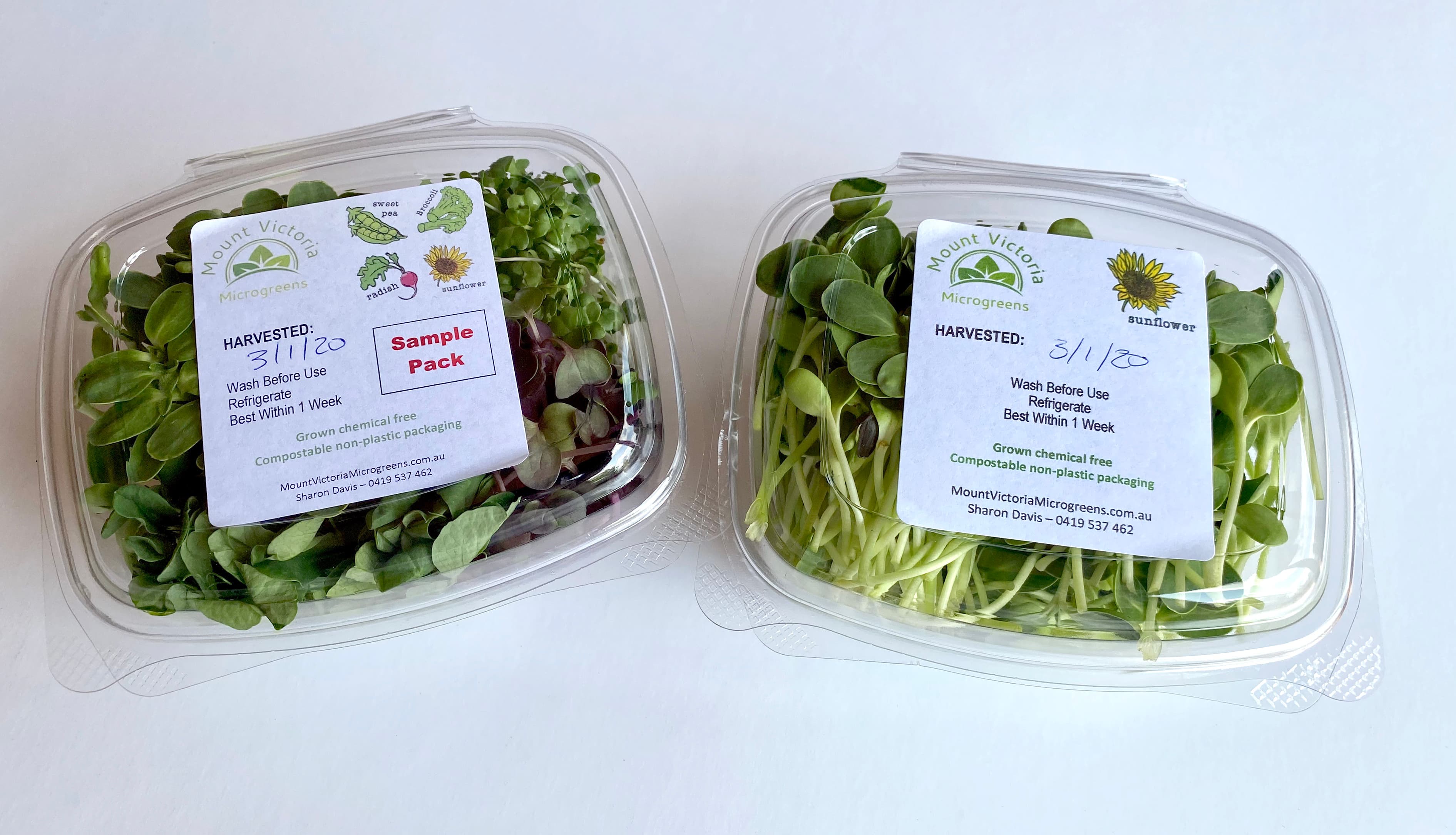
Growing microgreens is simple once you get the hang of it, but there are a few common pitfalls that trip up beginners. If your microgreens aren't turning out the way you expected, you're probably making one of these mistakes. The good news? They're all easy to fix.
1. Overwatering (The #1 Killer)
The problem: Soggy growing medium, mould growth, and seeds rotting before they germinate.
The fix: Your growing medium should be damp like a wrung-out sponge, never waterlogged. If you can squeeze water out of it, it's too wet. Use a spray bottle for gentle misting rather than pouring water. If possible, water from below by adding water to a tray underneath.
Pro tip: Good drainage is essential. Make sure your growing tray has holes, or use a tray-within-a-tray system where excess water can drain away.
2. Not Enough Light
The problem: Tall, spindly, pale microgreens that lean to one side and have weak flavour.
The fix: After the blackout period, microgreens need plenty of light — 12–16 hours per day. A bright windowsill works for some varieties, but south-facing (in Australia, north-facing) windows are best. If your greens are consistently leggy, consider a simple LED grow light.
Pro tip: Rotate your trays 180° daily to prevent leaning towards the light source.
3. Skipping the Blackout Phase
The problem: Weak germination, short stems, and uneven growth.
The fix: Most microgreens need 3–4 days of darkness after planting. This mimics being underground and encourages the seeds to push upward, developing stronger, longer stems. Cover with an inverted tray or dome.
4. Planting Too Sparsely
The problem: Disappointing, thin harvest that doesn't look anything like the lush trays you see online.
The fix: Microgreens are meant to be sown densely — much more densely than you'd plant a regular garden. Seeds should be close together in a single layer. As a general rule, you should barely be able to see the growing medium through the seeds.
5. Using the Wrong Seeds
The problem: Seeds that won't germinate, or produce tasteless or toxic microgreens.
The fix: Always use seeds specifically intended for microgreens or sprouting. Garden seeds are sometimes treated with fungicides that aren't food-safe. Also, never grow microgreens from nightshade family plants (tomato, potato, pepper, eggplant) — their young greens contain toxic compounds.
Stick with proven varieties like pea shoots, broccoli, radish, sunflower, and kale. Check out our range of microgreen seeds — all sourced specifically for microgreen growing.
6. Not Pre-Soaking Large Seeds
The problem: Uneven germination with large seeds like peas and sunflowers.
The fix: Large seeds have tough outer shells that need softening. Soak pea seeds for 8–12 hours and sunflower seeds for 8–12 hours before planting. This dramatically improves germination rates and evenness. Smaller seeds like broccoli, radish, and kale do not need soaking.
7. Harvesting Too Late
The problem: Bitter, tough microgreens that don't taste fresh.
The fix: Harvest when you see the first true leaves starting to emerge — these are the second set of leaves, after the initial cotyledon (seed) leaves. At this stage, flavour is at its peak and texture is tender. Wait too long and the flavour turns bitter, especially with brassicas like broccoli and radish.
Pro tip: It's better to harvest a day early than a day late. You can always let a tray go longer next time if you want bigger greens.
Quick Reference: Ideal Conditions
- Temperature: 18–24°C (most homes are perfect)
- Humidity: Moderate — mist regularly but ensure airflow
- Light: 12–16 hours indirect/artificial light after blackout
- Water: Damp, not wet — mist 1–2 times daily
- Harvest: 7–14 days depending on variety
Growing microgreens is truly forgiving once you avoid these common pitfalls. Start with easy varieties and work your way up — you'll be growing beautiful trays in no time. Browse our growing kits and seeds to get started.